
Computer Junkyard® – A board game where sharp strategy meets vintage tech
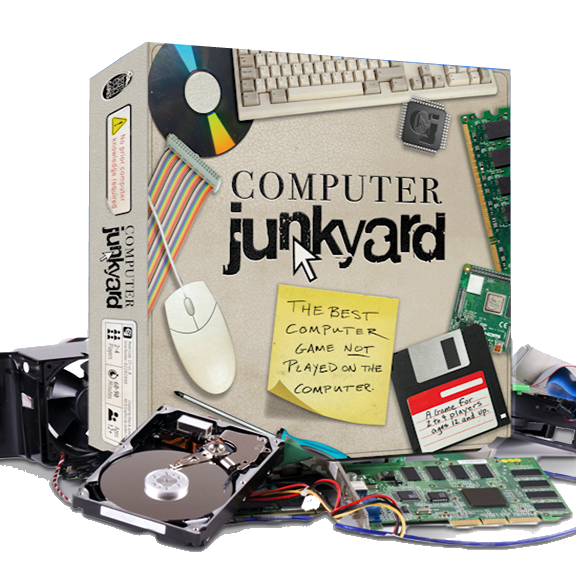
Computer Junkyard is a competitive race to build a computer from a scrap pile of illustrated hardware tiles. Players scramble for the parts they need, get in each other’s way, and push toward the moment that decides everything — installing their software.
Every decision matters: which components to collect and when to interfere with an opponent’s build. The game rewards smart timing and adaptability with just the right amount of sabotage.
Arriving Spring 2026, Computer Junkyard will be available on Amazon and in select retail locations. Claim an early Amazon discount code by providing your email below.

Build your computer
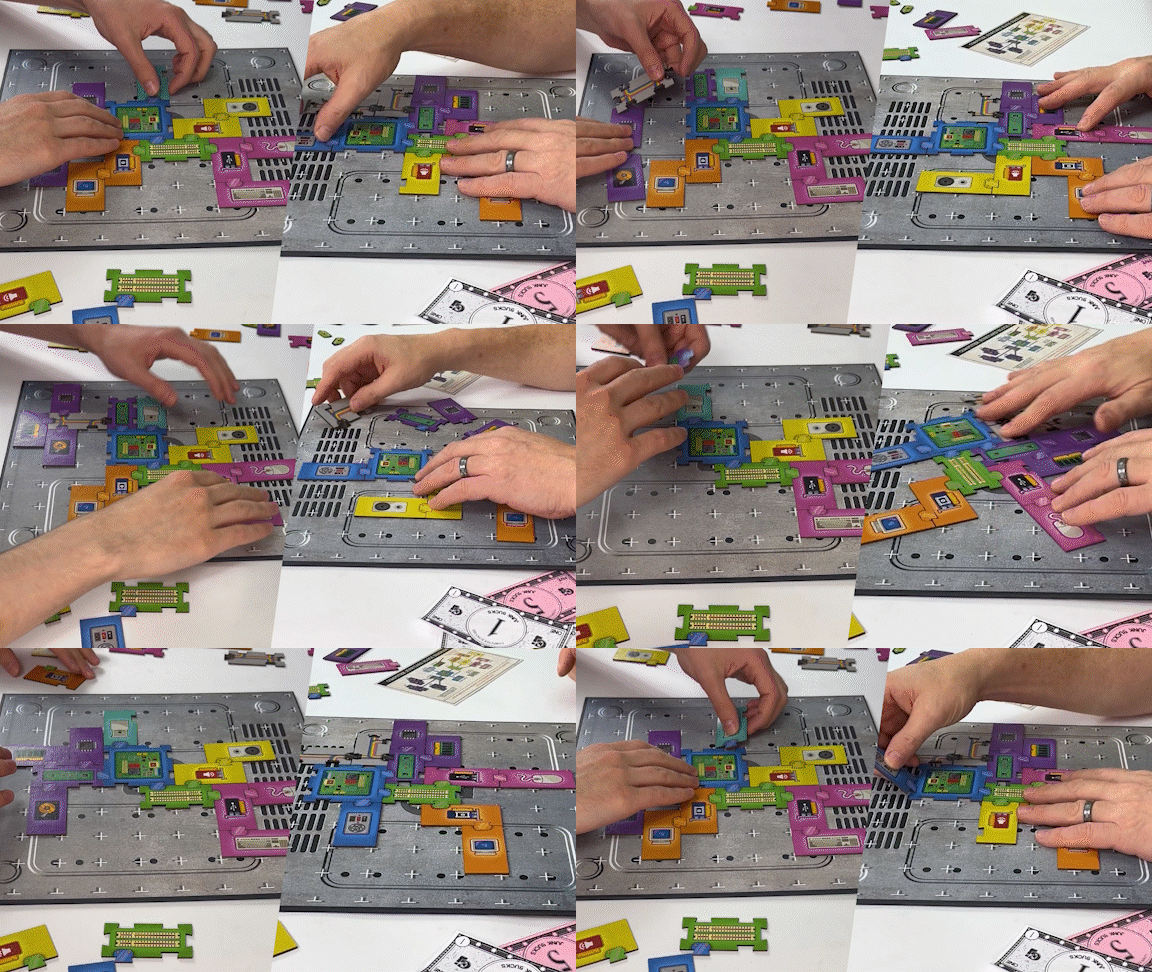
Each player starts with a computer chassis board where their build takes shape. During the game, you’ll connect hardware tiles to one another, forming a growing computer that sits on the board and can be repositioned as it evolves.
You’ll race your opponents — and the clock — to complete your build and install your unique software tile, which requires a specific combination of components.
Real-world hardware components
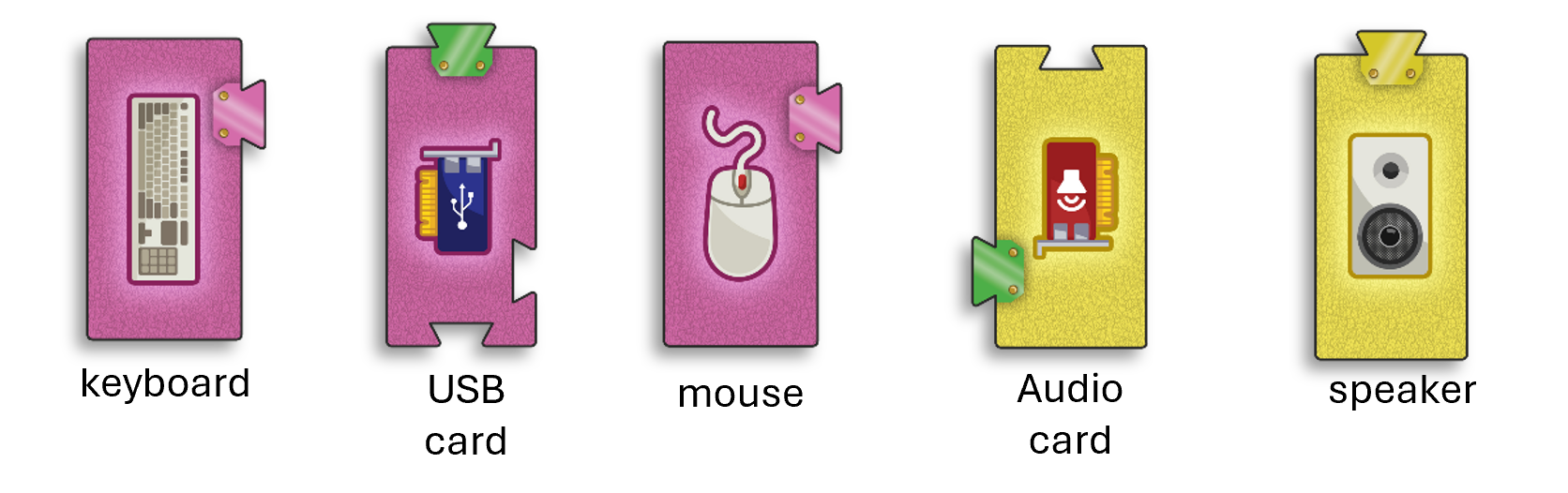
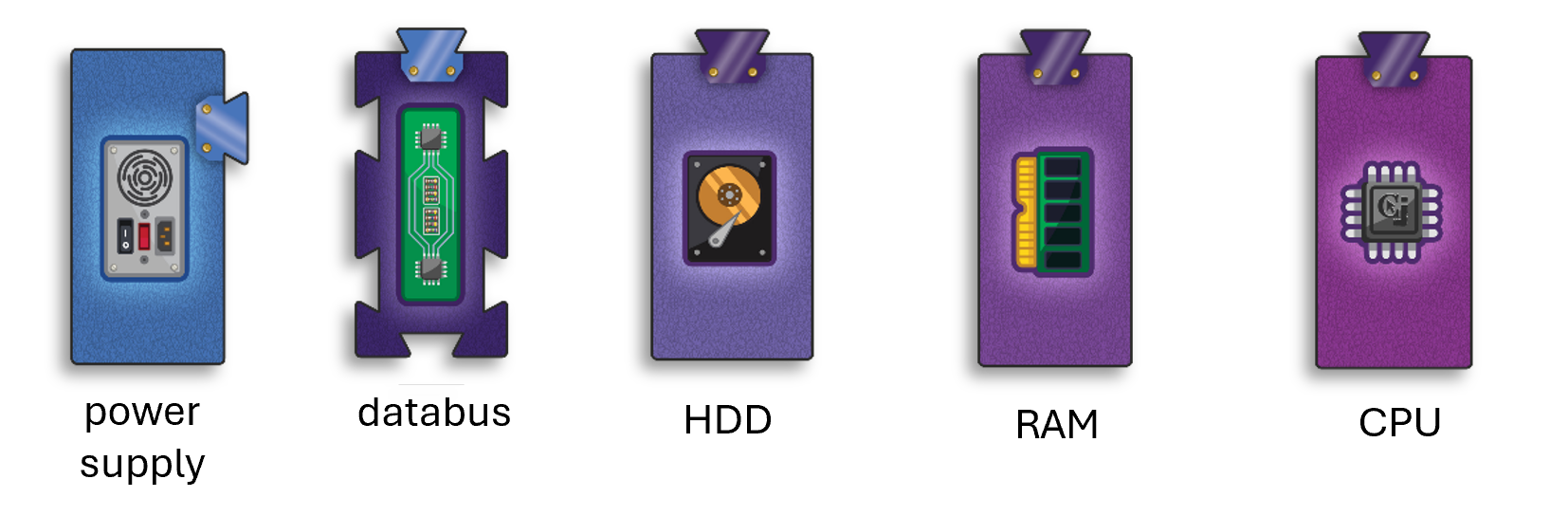
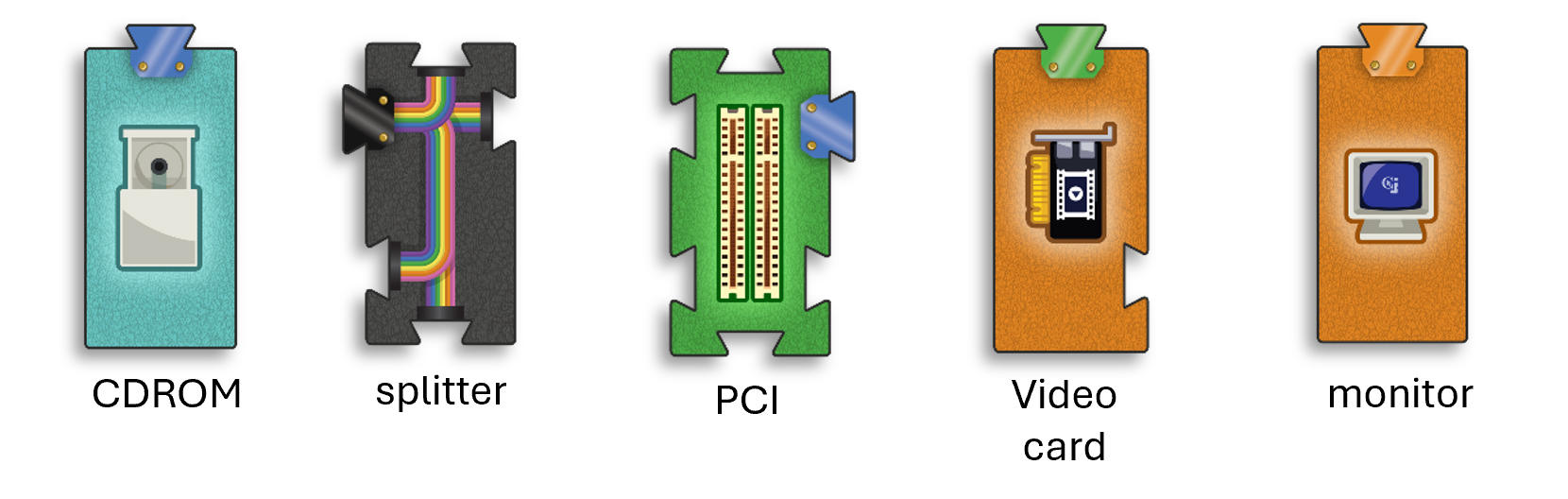
The game includes 15 sets of hardware tiles, each set representing a real computer component. You’ll begin with a motherboard tile and connect additional hardware tiles to it as your build grows.
Each hardware type comes in multiple configurations, and like a puzzle, not every combination will connect cleanly together, often requiring you to swap tiles and rework your build.
To complete your system, you’ll need to assemble the right set of components, all from a limited Junkyard supply.
Computer Junkyard arriving Spring 2026
Claim a 10% Amazon discount code now — redeemable when inventory arrives. We’ll keep you posted.
Lost your code?
Re-submit your information and we will send it again
Scavenge the Junkyard
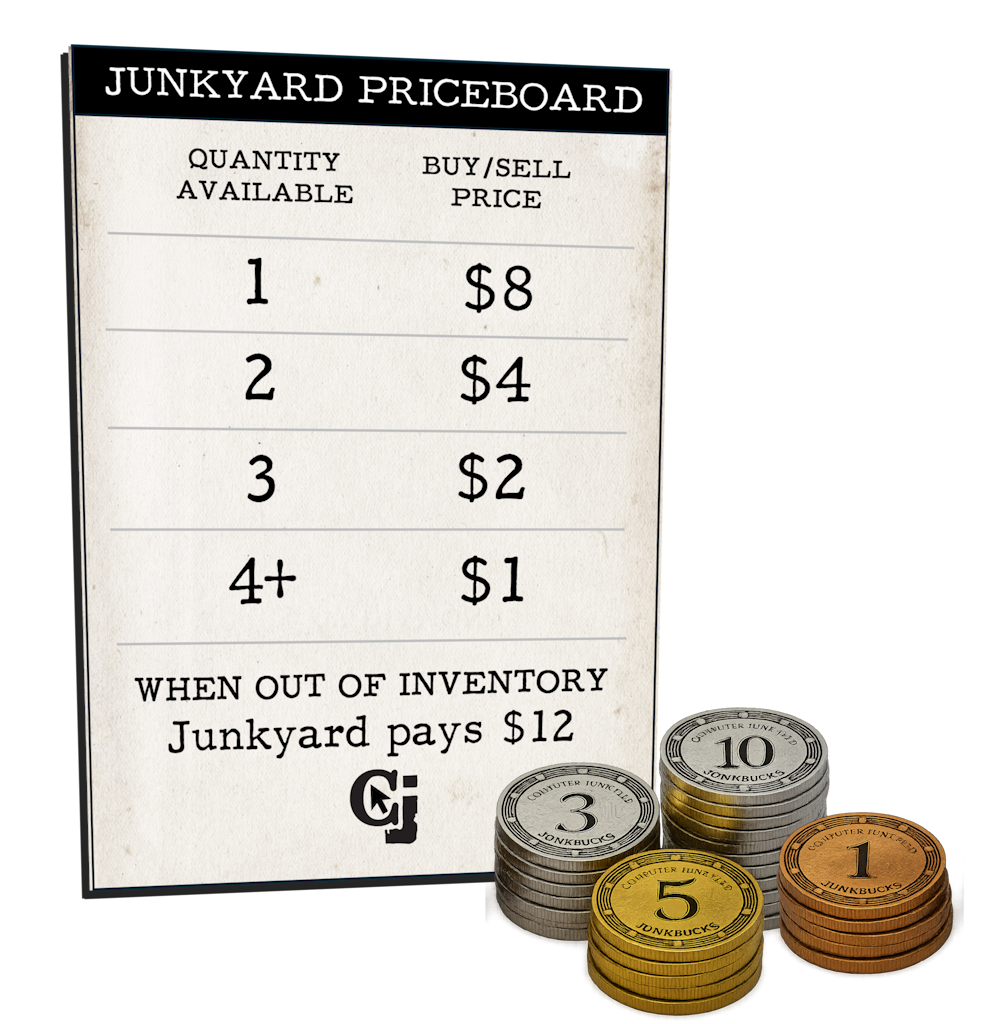
On your turn, you can visit the Junkyard to buy and sell hardware tiles, scavenging for the parts you need while keeping an eye on what everyone else is building.
Prices aren’t fixed. The cost of hardware rises and falls as the Junkyard’s inventory changes, shifting as players buy up scarce components or flood the market with extras.
Time your purchases and sales carefully, and you can turn scarcity into profit — or leave your opponents scrambling and paying a premium.
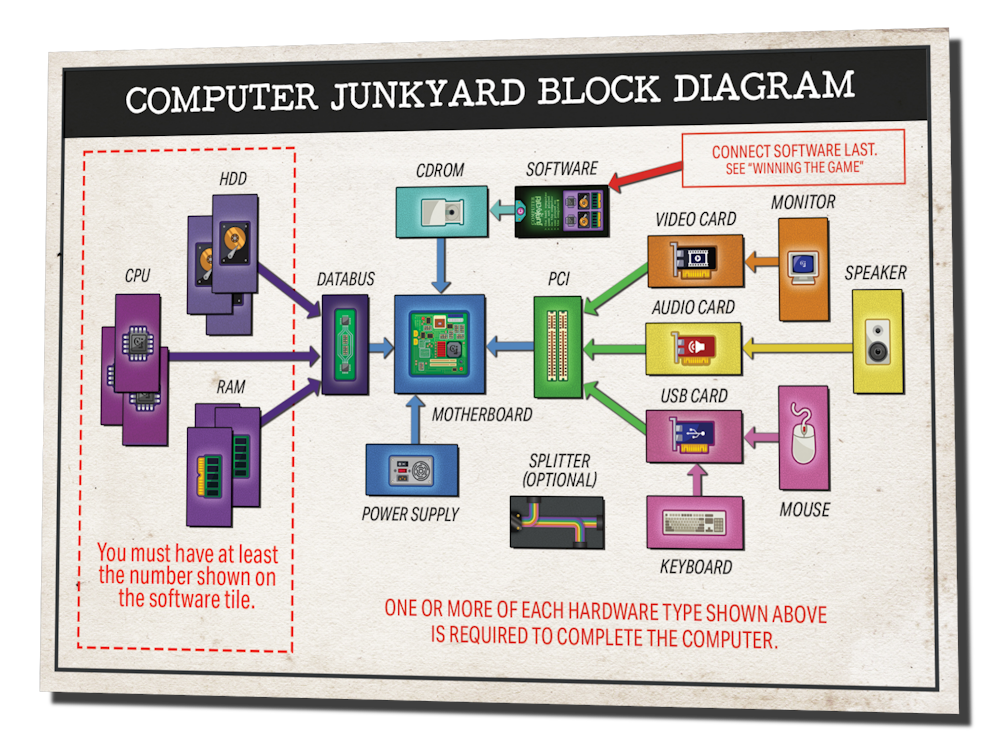
The computer’s block diagram
Each player receives a block diagram showing how the hardware components fit together to form a complete computer. It provides a clear structural reference as your build takes shape, helping you see where each component belongs and how your system comes together.
While every player follows the same core layout, the diagram quickly reveals where choices matter. Software requirements alter the final configuration, forcing players to plan ahead, make trade-offs, and sometimes rethink their build as the game unfolds.
Sabotage opponents
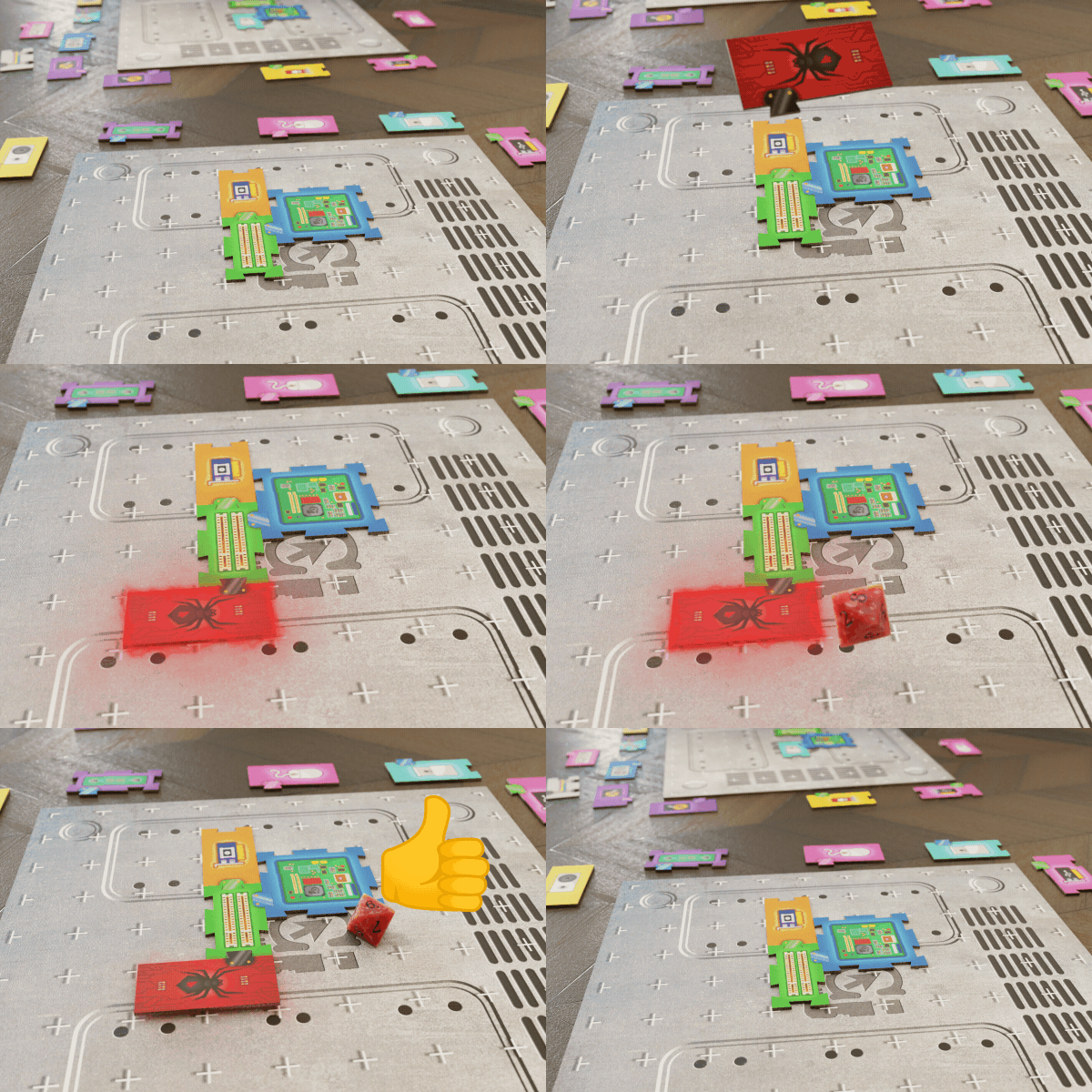
You’re not just racing other players, you can disrupt your opponents’ progress in several ways. For example, you can attach computer bugs that block connections and prevent their computers from running.
You can steal hardware to set opponents back, or hoard parts to limit what’s available and control the market.
Interference isn’t limited to the board. You can strike deals to shift the balance. Knowing when to interfere, negotiate, or play defensively is just as important as building efficiently.
Software requirements
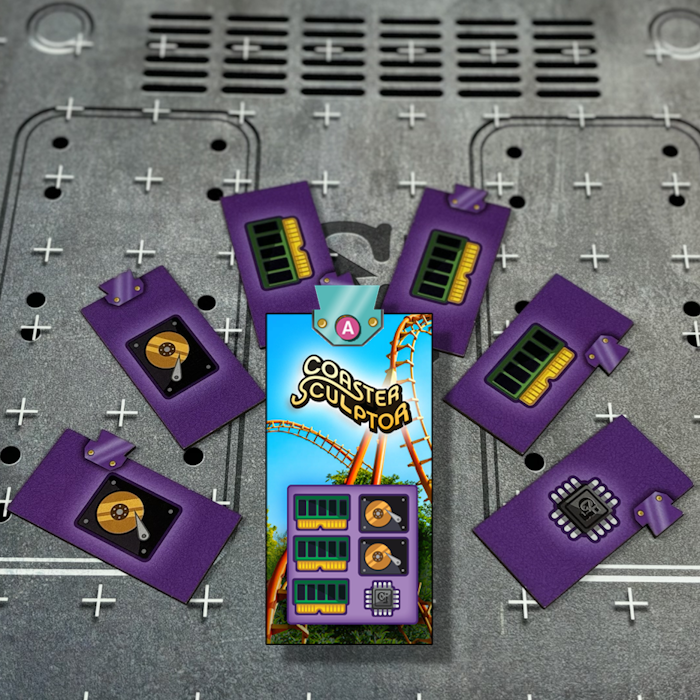
At the start of the game, each player receives a software tile that defines their final objective. Every software tile has its own set of requirements, shaping the way you build your computer from the very first turn.
To install your software, your computer must meet the minimum requirements shown on the tile, namely the specific counts of HDDs, RAM, and CPUs. Planning around those requirements and adapting as the game unfolds is key to finishing first.
Install your software to win
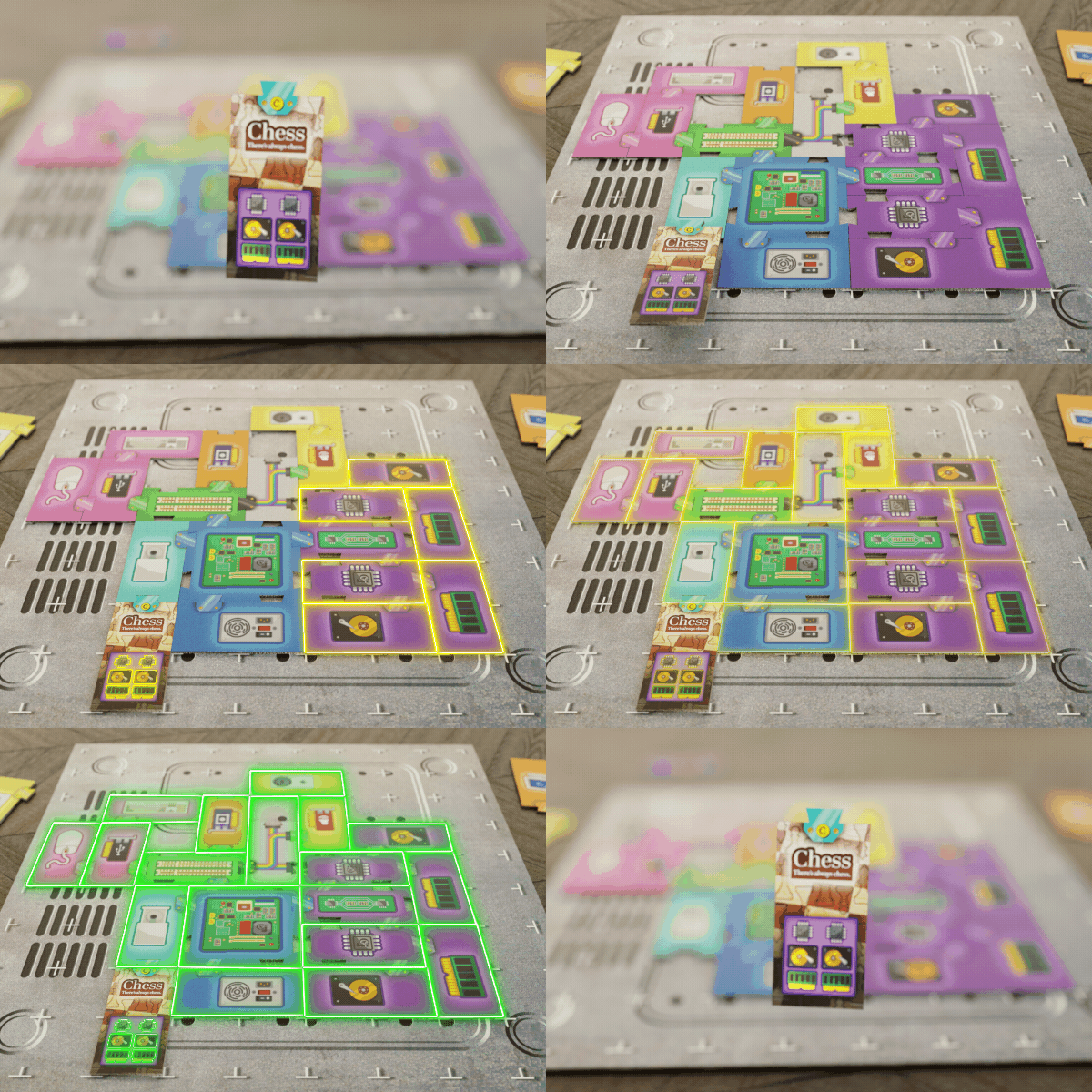
When your computer is complete, install your software by connecting it to the CD-ROM drive.
The first player whose build matches the block diagram and meets their software’s requirements wins.
2–4 Players | Ages 14+ | 60–90 Minutes

Computer Junkyard Kickstarter Launch Video
Successfully raised $250K with 2800 backers – April 2025
Check out our how to play review
TableTopVibes.com – March 2025
Computer Junkyard arriving Spring 2026
Claim a 10% Amazon discount code now — redeemable when inventory arrives. We’ll keep you posted.
Lost your code?
Re-submit your information and we will send it again.